Understanding OCD Recovery: The Power of a Coping Skills Workbook and Journal
Obsessive-Compulsive Disorder (OCD) is a complex mental health condition that affects millions of people worldwide. It is characterized by intrusive thoughts and repetitive behaviors that can significantly impact daily life. While professional therapy is essential, tools like the OCD Recovery Coping Skills Workbook and OCD Recovery Coping Skills Journal offer practical support for managing symptoms and fostering long-term recovery.
The Role of Coping Skills in OCD Recovery
Coping skills are strategies that individuals use to manage stress, anxiety, and emotional challenges. In the context of OCD, these skills are crucial for reducing the frequency and intensity of obsessions and compulsions. They help individuals develop healthier thought patterns and behaviors that promote resilience and self-awareness.
One of the most effective ways to build coping skills is through structured practice. The OCD Recovery Coping Skills Workbook and OCD Recovery Coping Skills Journal provide an organized framework for this process. With 38 pages of interactive content, these resources guide users through various exercises designed to support their recovery journey.
What’s Inside the OCD Recovery Journal?
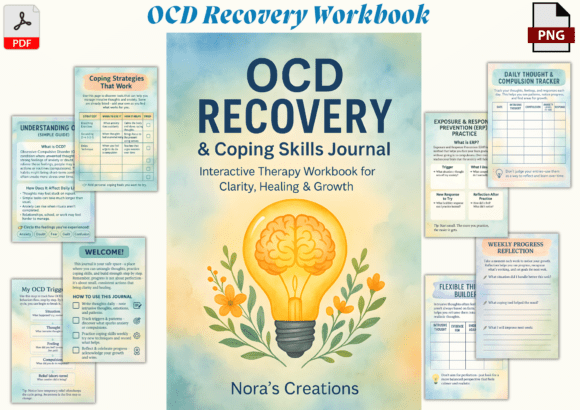
- Daily Thought Compulsion Trackers: These pages help users identify and monitor obsessive thoughts throughout the day. By tracking patterns, individuals can gain insight into triggers and develop strategies to respond more effectively.
- Coping Skills Worksheets: These pages offer guided exercises to explore and practice techniques such as mindfulness, relaxation, and cognitive restructuring. These methods are proven to reduce anxiety and improve emotional regulation.
- ERP Exposure Response Prevention Practice Pages: ERP is a core component of OCD treatment. This journal includes structured exercises to help users gradually face their fears without engaging in compulsive behaviors, promoting long-term habit change.
- Mood and Reflection Pages: These sections encourage users to reflect on their emotional state and progress. Regular reflection helps build self-awareness and reinforces positive changes over time.
- 30-Day Coping Skill Challenge: This feature provides a step-by-step plan to build consistent coping habits. It is ideal for beginners or those looking to reinforce existing strategies.
- Life Balance Wheel and Recovery Vision: These visual tools help users assess their overall well-being and set meaningful goals for recovery. They promote a holistic approach to healing.
- Certificate of Achievement Notes Section: This page allows users to celebrate their milestones and accomplishments, reinforcing motivation and confidence in their recovery journey.
Why Choose the 6x9 Inch Format?
The OCD Recovery Coping Skills Journal is available in a convenient 6x9 inch size, making it easy to carry and use anywhere. Whether you're at home, work, or on the go, having your journal accessible ensures that you can engage with your recovery practices consistently.
Additionally, the journal is available in both PDF and PNG formats, offering flexibility for digital or print use. This makes it an excellent resource for individuals who prefer working online or need a physical copy for personal use.
Who Can Benefit from This Resource?
This journal is designed for anyone on the path to OCD recovery, whether they are just starting their journey or seeking additional support alongside therapy. It is particularly beneficial for:
- Individuals with mild to moderate OCD symptoms looking to develop self-help strategies.
- Those undergoing therapy who want to complement their sessions with daily practice.
- People interested in building resilience and improving their mental well-being.
- Students or professionals who may experience anxiety or stress-related behaviors.
Common Misconceptions About OCD and Coping Skills
There are several misconceptions about OCD that can prevent individuals from seeking help or using effective coping strategies. One common belief is that OCD is simply a matter of being "neurotic" or overly clean. In reality, OCD is a legitimate mental health disorder that requires specialized treatment.
Another misconception is that coping skills are only useful in extreme cases. However, even small, consistent efforts can make a significant difference in managing symptoms and improving quality of life. The journal addresses this by providing accessible, actionable exercises tailored to different skill levels.
How to Use the Journal Effectively
To get the most out of the OCD Recovery Coping Skills Journal, consider the following tips:
- Set a routine: Dedicate a specific time each day to work through the journal. Consistency is key to developing lasting habits.
- Use the tracker pages: Keep a record of your thoughts and compulsions to identify patterns and triggers.
- Practice ERP exercises: Gradually expose yourself to feared situations while resisting the urge to perform compulsions. This builds tolerance and reduces anxiety over time.
- Reflect regularly: Use the mood and reflection pages to assess your progress and adjust your strategies as needed.
- Engage with the challenge: Complete the 30-day coping skill challenge to build discipline and reinforce positive behaviors.
Real-Life Applications and Benefits
Many users have reported significant improvements in their OCD symptoms after incorporating the journal into their daily routine. For example, one user shared how tracking their thoughts helped them recognize when they were falling into old patterns, allowing them to intervene early and prevent full-blown episodes.
Additionally, the journal's emphasis on self-reflection and goal-setting has been particularly helpful for individuals looking to regain control over their lives. By setting clear, achievable goals, users can measure progress and stay motivated throughout their recovery journey.
Conclusion: A Tool for Healing and Growth
The OCD Recovery Coping Skills Workbook and OCD Recovery Coping Skills Journal are powerful tools for anyone committed to their mental health and well-being. With its structured format, practical exercises, and supportive design, this journal offers a comprehensive roadmap for healing, resilience, and growth.
Whether you're just beginning your recovery journey or looking for extra support, this resource provides the guidance and structure needed to make meaningful progress. By combining self-awareness, consistent practice, and a positive mindset, you can take charge of your OCD and build a more fulfilling, balanced life.