Thought Processing Workbook: A Tool for Mental Clarity and Action
In a world where mental clarity and productivity are increasingly valued, the Thought Processing Workbook stands out as a practical resource designed to help individuals manage their thoughts more effectively. This interactive journal offers a unique blend of structured exercises and creative layouts that encourage users to explore their inner world while taking actionable steps toward personal growth.
What Makes the Thought Processing Workbook Unique?
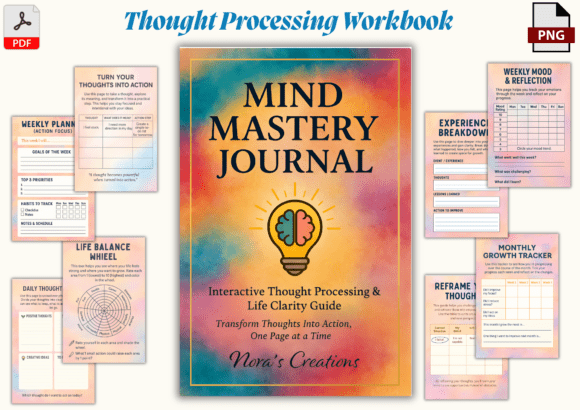
The Thought Processing Workbook is not just another self-help book; it's an interactive guide that bridges the gap between thought and action. Unlike traditional journals that focus solely on reflection, this workbook includes a variety of tools such as Daily Thought Release pages, Level 10 Life Balance Wheel, and Thought-to-Action Converters. These features are carefully crafted to help users declutter their minds, visualize progress, and turn ideas into concrete steps.
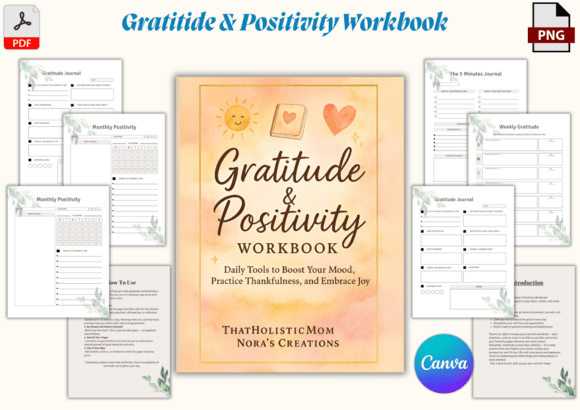
One of the standout aspects of the Thought Processing Workbook is its emphasis on interactive design. The pages are filled with soft watercolor pastels and engaging layouts that make the journal both visually appealing and easy to use. This attention to detail ensures that users remain motivated and engaged throughout their journey.
Comparing Thought Processing Workbook with Similar Resources
When comparing the Thought Processing Workbook with other similar resources, it's important to consider the specific needs and goals of the user. While many self-help journals offer reflection prompts and goal-setting exercises, the Thought Processing Workbook goes a step further by integrating these elements with visual tools and structured frameworks.
For instance, compared to a typical daily planner, the Thought Processing Workbook provides a more holistic approach to mental health and productivity. It combines elements of mindfulness, habit tracking, and goal setting in a way that feels less overwhelming and more manageable. This makes it particularly suitable for individuals who may feel overwhelmed by traditional planning tools.
Additionally, the Thought Processing Workbook is designed to be used alongside other resources, such as meditation apps or therapy sessions. Its flexible structure allows users to integrate it into their existing routines without feeling like an added burden.
Strengths and Limitations of the Thought Processing Workbook
The Thought Processing Workbook has several strengths that make it a valuable tool for anyone looking to improve their mental clarity and productivity. One of its main advantages is the structured yet flexible format, which allows users to customize their experience based on their individual needs and preferences.
Another strength is the inclusion of visual aids such as the Level 10 Life Balance Wheel, which helps users gain a clearer understanding of their priorities and goals. This visual representation can be especially beneficial for those who find it difficult to articulate their thoughts in words alone.
However, the Thought Processing Workbook is not without its limitations. For example, some users may find the interactive layout too intricate or time-consuming, especially if they are new to using guided journals. Additionally, the workbook does not include audio or video components, which could be a drawback for those who prefer multimedia learning formats.
Best-Fit Situations for Using the Thought Processing Workbook
The Thought Processing Workbook is best suited for individuals who are looking to improve their mental clarity, reduce stress, and increase productivity. It is particularly effective for those who:
- Struggle with cluttered thoughts and need a structured way to organize their mental space.
- Want to track their progress over time and see tangible results from their efforts.
- Enjoy visual learning and benefit from diagrams, charts, and color-coded sections.
- Are interested in combining mindfulness with goal setting in a single resource.
It is also ideal for those who are looking for a self-paced alternative to therapy or coaching, as the workbook provides all the necessary tools to support personal growth without the need for external guidance.
Alternatives and Considerations
While the Thought Processing Workbook is a powerful tool, it is not the only option available. There are several alternatives that may better suit different lifestyles and learning styles. For example:
- Digital planners offer convenience and flexibility, but they may lack the tactile experience of a physical journal.
- Mindfulness apps provide guided meditations and breathing exercises, but they often do not include the same level of structure and interactivity as a workbook.
- Traditional journals are great for free-form writing, but they may not offer the same level of guidance or structure as the Thought Processing Workbook.
Ultimately, the choice between the Thought Processing Workbook and other options depends on the user's specific needs, preferences, and goals. For those who value a combination of structure, creativity, and practicality, the Thought Processing Workbook is an excellent choice.
Conclusion
The Thought Processing Workbook is a versatile and effective tool for anyone looking to enhance their mental clarity, reduce stress, and take meaningful action toward their goals. Its unique blend of structured exercises, visual aids, and interactive layouts makes it stand out among other self-help resources. While it may not be the perfect fit for everyone, it is a valuable addition to any personal development toolkit.