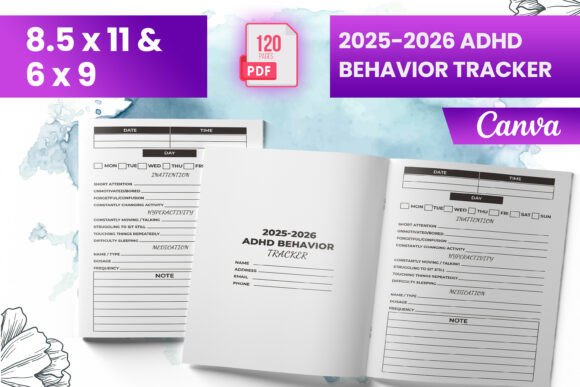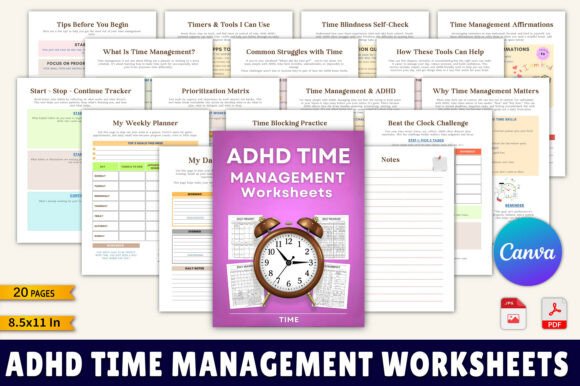
ADHD Time Management Worksheets: A Practical Tool for Better Time Awareness
If you've ever felt like time slips through your fingers, tasks pile up, or deadlines loom without warning, you're not alone. ADHD can make it hard to see time clearly, prioritize effectively, and stay on track with daily responsibilities. That's where ADHD Time Management Worksheets come in. Designed specifically for individuals who struggle with time blindness and procrastination, this resource offers a structured, visual, and engaging way to bring time into focus.
Why Use ADHD Time Management Worksheets?
Time management is more than just scheduling—it's about understanding how your brain processes time and using tools that align with your unique needs. For people with ADHD, traditional planners and calendars often feel overwhelming or unhelpful. ADHD Time Management Worksheets are crafted with these challenges in mind, offering practical tools that help break tasks into manageable steps, reduce decision fatigue, and build healthier habits over time.
The worksheets are ideal for anyone who feels their day gets out of control, whether you're a student juggling assignments, a professional managing multiple projects, or a creative who struggles to stay consistent. They’re especially useful when you need to:
- Break down complex tasks into smaller, actionable steps.
- Stay focused during long or distracting work sessions.
- Track progress and celebrate small wins to maintain motivation.
- Identify and address patterns of procrastination or time blindness.
- Build better routines that support your productivity and well-being.
Real-World Applications of ADHD Time Management Worksheets
Let’s look at how different people might use these worksheets in their daily lives:
Students and Learners
For students, especially those with ADHD, managing schoolwork can be a constant battle. Imagine a college student preparing for final exams. With ADHD Time Management Worksheets, they can create a weekly planner to break down study sessions, set specific goals for each day, and use the Beat the Clock Challenge to build better time awareness. The Start–Stop–Continue Tracker helps them reflect on what works and what doesn’t, making adjustments as needed.
Professionals and Entrepreneurs
Entrepreneurs and professionals often juggle multiple projects, meetings, and deadlines. Consider a freelance graphic designer who struggles to meet client deadlines. Using the Time Blocking Pages, they can allocate specific blocks of time for design work, client calls, and administrative tasks. The Prioritization Matrix helps them sort urgent vs. important tasks, ensuring nothing falls through the cracks.
Creatives and Hobbyists
Creatives, from writers to artists, often face the challenge of staying motivated and productive. A writer who tends to procrastinate might find the Time Blindness Self-Check helpful in identifying why they delay starting a project. The Notes Doodle Space allows them to jot down ideas, sketch out outlines, or even doodle while brainstorming, making the process more enjoyable and less stressful.
Parents and Caregivers
Managing family responsibilities can be overwhelming, especially for parents with ADHD. A parent trying to balance work and childcare might use the Timers Apps Suggestions to set reminders for meals, homework, or playtime. The Positive Affirmations section offers encouraging mantras to boost self-compassion and reduce stress during busy days.
What to Consider Before Using ADHD Time Management Worksheets
Before diving into any time management tool, it's important to consider your personal needs and preferences. Here are a few things to keep in mind:
- Choose the right format: Some people prefer printable PDFs, while others may want an editable Canva version for customization. Make sure the format suits your workflow.
- Be consistent: Like any habit, using these worksheets requires regular practice. Set aside a few minutes each day to review and update your plans.
- Combine with other strategies: While these worksheets are powerful on their own, pairing them with external tools like timers, apps, or accountability partners can enhance results.
- Reflect and adapt: The Start–Stop–Continue Tracker encourages ongoing reflection. Use this to refine your approach and adjust based on what works best for you.
How ADHD Time Management Worksheets Help You Succeed
At its core, ADHD Time Management Worksheets is about creating structure without adding pressure. By making time visible, these tools help users develop a clearer sense of how their day unfolds. Whether you're working on a big project, managing household responsibilities, or simply trying to stay on top of daily tasks, the combination of visual layouts, simple prompts, and encouraging language makes the process feel less daunting.
One of the most valuable aspects of the worksheets is the Time Blocking Pages. By color-coding your day, you can visually separate tasks, reducing cognitive load and helping your brain stay focused. This is particularly useful for people who experience task-switching fatigue or have difficulty starting new activities.
The Beat the Clock Challenge also adds an element of fun and engagement. It encourages users to track their time spent on tasks, helping them build a better understanding of how long certain activities actually take. Over time, this awareness can lead to more realistic planning and fewer instances of procrastination.
Conclusion
ADHD Time Management Worksheets are more than just a planner—they're a personalized roadmap for reclaiming control over your time. Whether you're a student, professional, creator, or everyday user, these tools offer practical solutions tailored to your unique needs. By focusing on real-world applications, encouraging reflection, and providing clear guidance, they help users build sustainable habits that support both productivity and well-being.